Recycling and Sustainability at Brompton Skip Hire
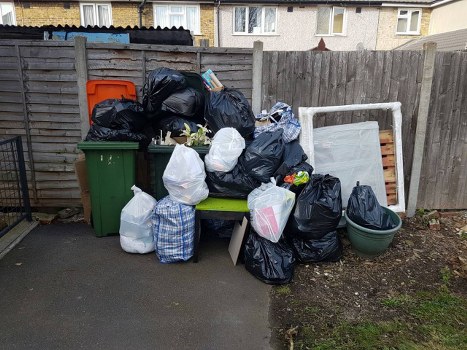 Brompton Skip Hire is committed to creating an eco-friendly waste disposal area and a truly sustainable rubbish area for both commercial and residential customers. Our approach combines targeted waste separation, efficient logistics and measurable goals: we have set a clear recycling percentage target of 70% of diverted skip waste by 2030. This target drives investment in sorting, partnerships and low-carbon operations so that every skip is part of a circular solution.
We operate an evolving fleet of low-carbon vans and logistics solutions that reduce emissions in urban areas. Vehicles include Euro 6 diesel, hybrid vans and an expanding number of electric models, all fitted with telematics to minimise miles driven and idling. By optimising routes and consolidating loads, we cut fuel use and help boroughs meet tighter air quality standards while servicing the local eco-friendly waste disposal network.
 A key part of our model is working with local transfer stations and municipal hubs. We frequently deliver sorted loads to nearby transfer stations and Materials Recovery Facilities (MRFs), ensuring recyclables are processed correctly. That collaboration ensures paper, mixed plastics, glass and metals from our skips are routed to proper recovery streams rather than landfill, supporting the boroughs' separation schemes and local recycling infrastructure.
Brompton Skip Hire maintains active partnerships with charities and reuse organisations to keep reusable goods in circulation. Bulky items that are in good condition are diverted to charitable partners, social enterprises and community reuse centres. These partnerships reduce waste, support local social causes and promote a sustainable rubbish area ethos where items are repaired and given new life instead of being disposed of.
On-site sorting at drop-off points and at our transfer partners helps maintain material quality. Our teams pre-sort common streams such as wood, hardcore, metals and ceramics before sending loads on for processing. By separating materials at source we reduce contamination and increase recovery rates, improving performance against our recycling percentage target and lowering the volume of residual waste sent for disposal.
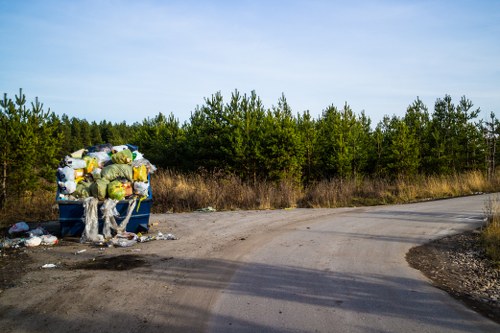 London boroughs and neighbouring authorities commonly run multi-stream collections — food waste for anaerobic digestion, glass and cans in separate banks, and mixed dry recycling collected curbside. We mirror and complement those systems by advising customers on correct segregation for site waste and by ensuring that skip contents are compatible with local MRF sorting capabilities, increasing the chance materials will be recycled.
Our sustainability programme also includes operational measures to manage a greener skip hire service. We implement consolidation strategies to reduce vehicle movements, provide clear guidance on prohibited items to reduce contamination, and use designated transfer stations close to collection areas to keep journeys short. These steps contribute to both a reduced carbon footprint and a more effective eco-friendly waste disposal area across the boroughs we serve.
Key components of our approach include:
- Ambitious recycling percentage target — 70% of diverted skip waste by 2030;
- Partnerships with local transfer stations and Materials Recovery Facilities;
- Collaboration with charities and reuse centres to salvage furniture, textiles and reusable appliances;
- Use of low-carbon vans, route optimisation and vehicle consolidation;
- On-site segregation and contamination reduction practices.
Collectively, these steps reinforce our role in building a resilient and circular local waste economy where waste is a resource rather than a burden.
We track progress against the recycling percentage target through regular reporting and audits of loads sent to transfer stations and recycling partners. Data from our telematics and weighbridge receipts allow transparent monitoring of tonnages diverted, reused or landed for residual treatment. Working with MRFs and transfer stations, we analyse contamination rates and recovery yields and use that insight to refine customer guidance and crew training.
Training for collection crews is central to reducing contamination and improving recovery. Our teams are coached on correct segregation techniques, safe handling of different waste types and recognising items that can be diverted to charity partners. Community outreach supports borough campaigns about food waste, textiles recycling and hazardous waste disposal, aligning our skip operations with local civic goals.
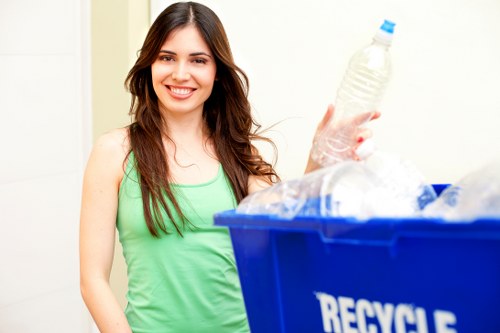 We place particular emphasis on reuse partnerships: items such as serviceable furniture, bikes, building materials and household goods are assessed and directed to charities and social enterprises. These reuse routes deliver social value while preventing unnecessary processing and transport, and often feed local repair workshops that create jobs and skills in the community.
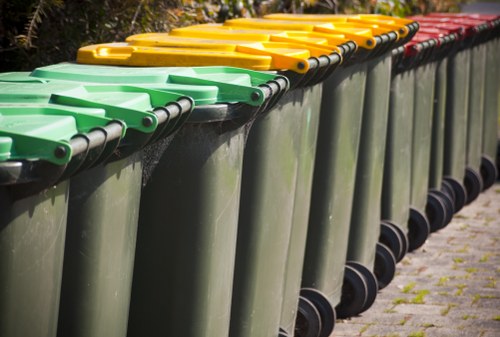 Choosing Brompton Skip Hire means selecting a partner that prioritises a low-impact, sustainable rubbish area approach across all services. From the first booking to final processing, we focus on diverting materials from landfill, increasing recycling yields, and supporting local borough waste separation schemes. Our combined strategy of targets, low-carbon vans, transfer station partnerships and charity collaborations underpins measurable environmental improvement.
We continue to innovate: expanding our electric vehicle fleet, piloting new sorting technologies with local MRFs and working with councils to align skip contents with municipal collection rules. Our long-term vision is a circular local economy where construction and household waste are resources that feed manufacturing, repair and reuse networks rather than ending in disposal sites.
For customers who care about sustainability, Brompton Skip Hire offers clear, practical choices for responsible waste management. We welcome opportunities to work with businesses and developers who want to reduce their environmental impact, meet borough recycling expectations and support community reuse partners. Together we can transform the way urban waste is managed, turning skips from a last resort into a first step toward a greener future.